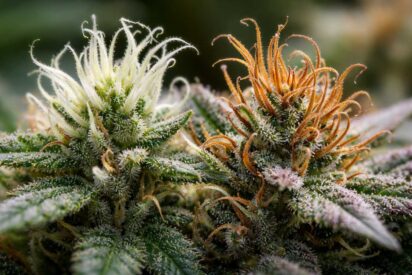




Re-vegging cannabis is a technique where a flowering plant is returned back to the vegetative stage by changing its light cycle. This method is often used to preserve genetics, increase yields, or recover a plant after harvesting.
This article explains how long re-vegged cannabis plants can live, what affects their lifespan, and how growers can keep them healthy long-term.
What Does Re-Vegging Mean in Cannabis?
Re-vegging (also called regeneration) is the process of forcing a cannabis plant to return to vegetative growth after it has already entered flowering. This is done by switching the light schedule back to a vegetative cycle, typically 18–24 hours of light per day.
Once the plant adjusts, it begins producing new leaves and branches again, often with unusual early growth patterns before returning to normal.
How Long Can a Re-Vegged Cannabis Plant Live?
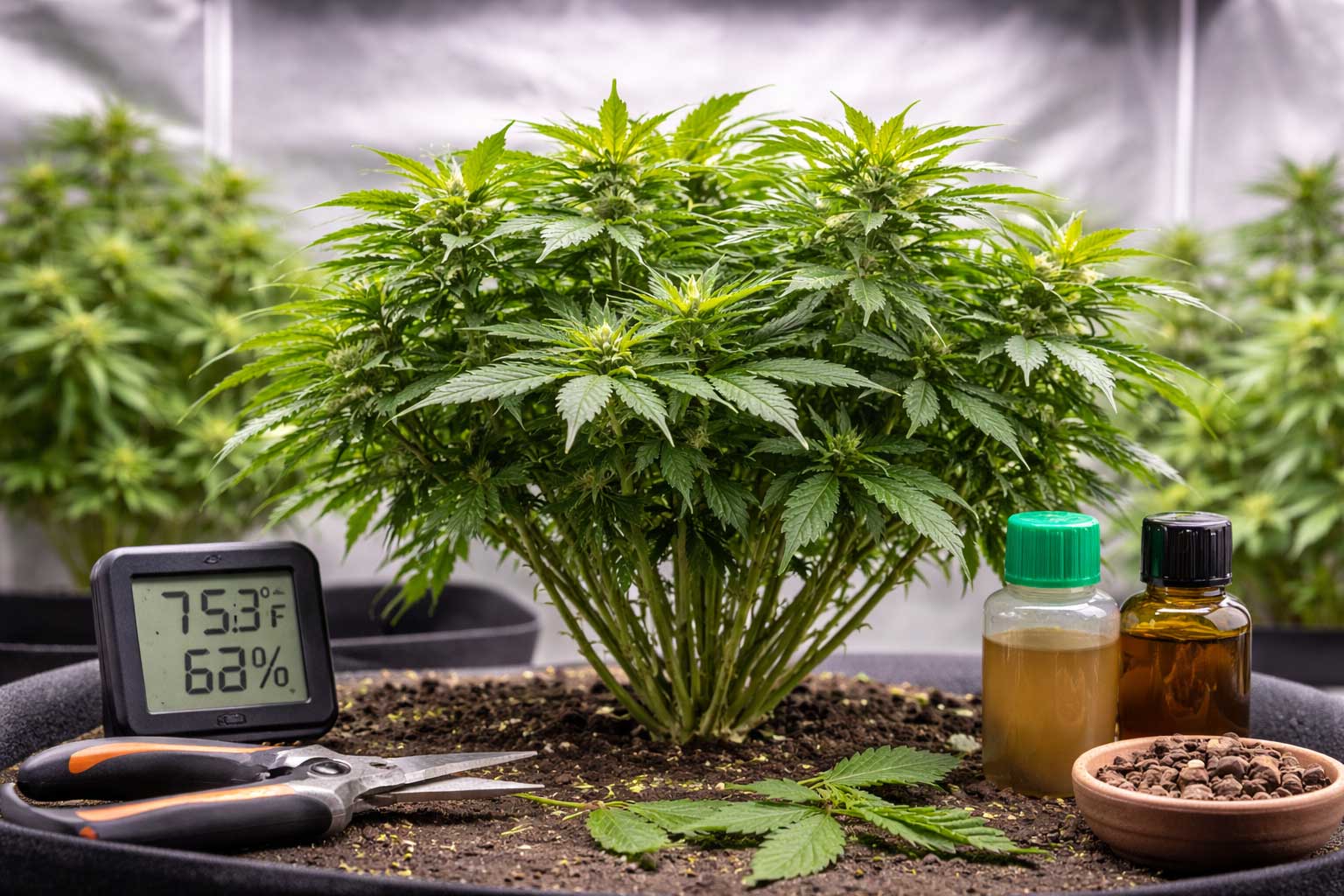
A re-vegged cannabis plant can live for months or even several years, depending on how well it is maintained. In controlled indoor environments, growers have successfully kept re-vegged plants alive long-term by managing nutrients, pruning, and root health.
In many cases, a re-vegged plant can continue living as long as it remains free from disease, severe stress, or root damage.
Average Lifespan of a Re-Vegged Plant
While there is no fixed lifespan, many growers report that re-vegged cannabis plants commonly survive between 6 months to 2 years. Some plants can live longer if they are treated like mother plants and kept in a stable vegetative environment.
Factors That Affect How Long a Re-Vegged Plant Can Live
Root Health and Pot Size
Root-bound plants tend to decline faster. If a re-vegged plant is kept in a small container for too long, nutrient uptake becomes limited and stress increases. Transplanting into a larger pot can extend the plant’s lifespan.
Genetics and Strain Resilience
Some cannabis genetics handle stress better than others. Stronger strains may re-veg quickly and remain productive, while weaker genetics may struggle to recover or develop abnormalities.
Light Cycle Consistency
Re-vegged plants require stable vegetative lighting. Frequent light interruptions or inconsistent schedules can cause stress and increase the risk of hermaphroditism.
Pruning and Maintenance
Regular pruning is often needed because re-vegged plants can become dense and irregular. Removing weak growth improves airflow and reduces the risk of mold or pests.
Pest and Disease Management
Long-living cannabis plants are more likely to encounter pests such as spider mites, fungus gnats, or powdery mildew. Preventive care and clean growing conditions are essential for long-term survival.
Can Re-Vegged Plants Be Used as Mother Plants?
Yes. Many growers re-veg plants specifically to turn them into long-term mother plants. Once stabilized, re-vegged plants can provide clones for future cycles. However, growers often monitor them closely since re-vegging can cause temporary stress or unusual leaf patterns.
Do Re-Vegged Plants Get Weaker Over Time?
A re-vegged plant can remain healthy and productive, but extended life cycles may increase the risk of stress-related issues. Over time, older plants may become more sensitive to nutrient imbalances and environmental changes.
With proper care, many re-vegged plants remain strong and can be harvested multiple times.
Final Thoughts
Re-vegged cannabis plants can live for a long time, often lasting months and sometimes several years. Their lifespan depends on genetics, root health, stable lighting, and consistent maintenance. With proper care, a re-vegged plant can continue growing, cloning, and producing for extended periods.