



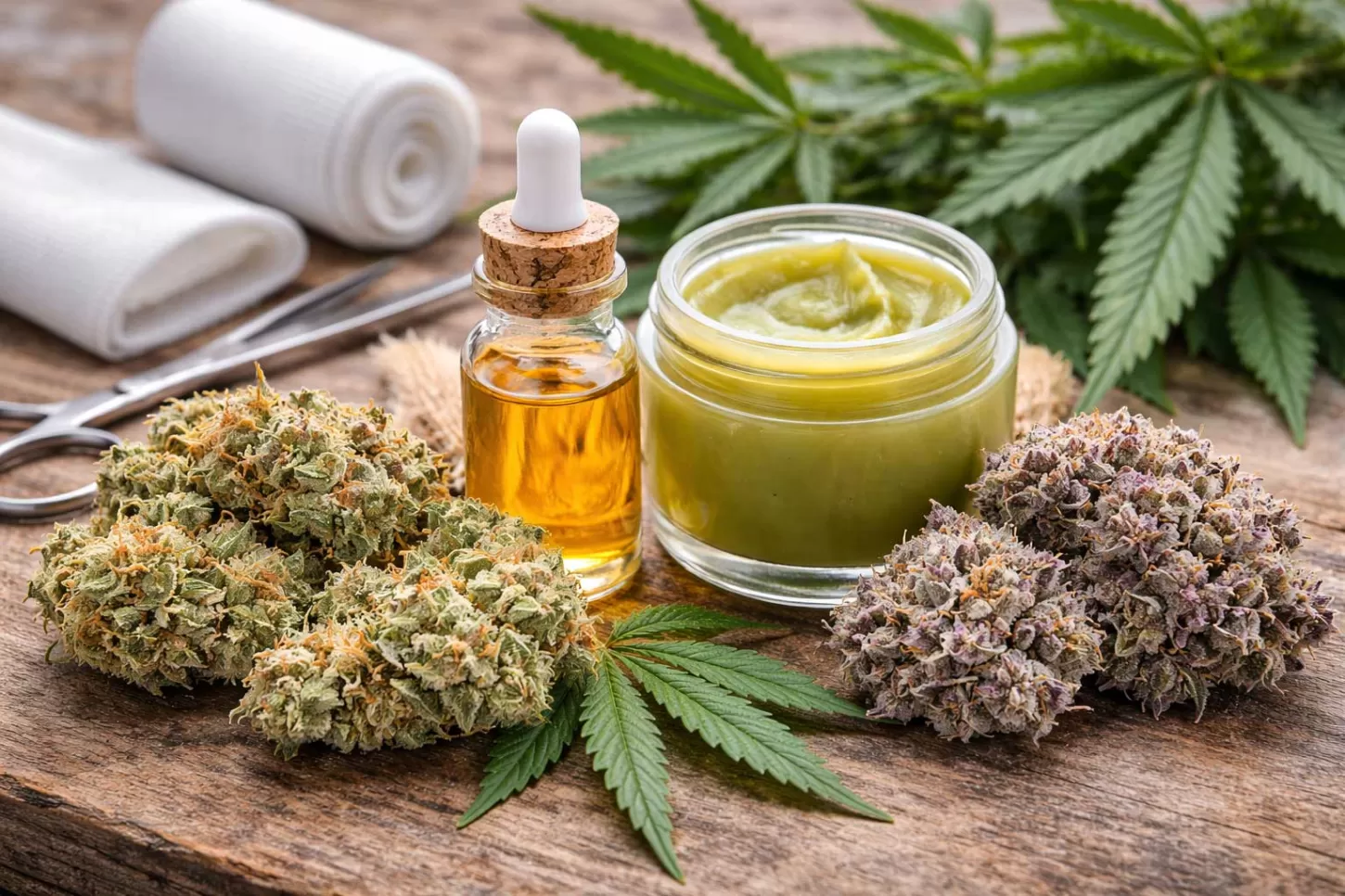
Cannabis is increasingly being studied for its potential role in skin repair and wound healing.
While research is still developing, early evidence suggests that certain cannabinoids and terpenes may help reduce inflammation, support tissue regeneration, and improve skin recovery.
However, when people ask which cannabis is best for wound healing, the answer is not about choosing one specific “strain.”
Instead, the most important factor is the cannabinoid and terpene profile, especially when using topical products designed for skin support.
Which Cannabis Is Best for Wound Healing?
Current research suggests that topical cannabis products may offer more direct wound-healing benefits than smoking or ingesting cannabis.
That is because topical application targets the affected area while avoiding strong systemic effects or psychoactive reactions.
Although the science is still largely preclinical and observational, cannabinoids like CBD and THC show promising properties that may support healing through inflammation control, antimicrobial activity, and cellular repair mechanisms.
Why Topical Cannabis Is Better Than Smoking for Wound Healing
Smoking cannabis delivers cannabinoids into the bloodstream, but it does not directly target wound tissue.
In addition, inhaling smoke introduces irritants that may reduce oxygen efficiency, which is not ideal for recovery and tissue repair.
Topical cannabis products allow cannabinoids to interact directly with the skin’s endocannabinoid receptors.
This localized interaction may help regulate inflammation and promote healthier healing outcomes.
Potential Benefits of Cannabis Topicals for Healing
- localized inflammation reduction
- improved comfort and pain relief
- possible antimicrobial support
- support for collagen production
- reduced irritation and redness
Best Cannabinoids for Wound Healing
Instead of searching for a specific cannabis strain, many researchers and medical cannabis users focus on identifying the most useful cannabinoids for healing.
The most discussed cannabinoids for skin recovery are CBD and THC.
1. CBD (Cannabidiol): The Top Choice for Skin Repair
CBD is the most studied cannabinoid for wound healing and skin inflammation.
It is widely used in topical creams, balms, salves, and skin recovery ointments because it is non-intoxicating and generally well tolerated.
How CBD May Support Wound Healing
- Anti-inflammatory: CBD may regulate immune activity, preventing excessive inflammation that can slow healing.
- Antimicrobial potential: Research suggests CBD may inhibit certain bacteria, helping reduce infection risk.
- Antioxidant effects: CBD may reduce oxidative stress in damaged tissue, protecting new cells as they form.
Because inflammation is one of the biggest barriers to fast healing, CBD is often considered the best cannabis compound for wound healing support.
2. THC (Tetrahydrocannabinol): A Strong Regeneration Booster
THC is widely known for producing psychoactive effects when smoked or eaten, but topical THC is different.
In many cases, topical THC does not cause a noticeable “high” because it tends to stay localized in the skin rather than entering the bloodstream at strong levels.
Some studies suggest THC may play an important role in tissue regeneration and collagen-related healing processes.
How THC May Support Wound Healing
- Fibroblast stimulation: THC may activate fibroblasts, the cells responsible for collagen production and wound closure.
- Cell regeneration: THC may promote repair mechanisms that rebuild damaged tissue.
- Skin strengthening: THC may support extracellular matrix activity, improving elasticity and firmness.
For scars, healing skin, and tissue regeneration, THC-based topicals may provide additional benefits when combined with CBD.
Best Terpenes for Wound Healing
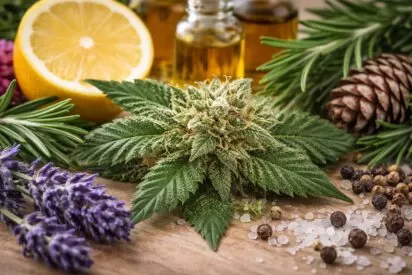
Terpenes are aromatic plant compounds found in cannabis and many herbs.
They contribute to smell and flavor, but they also influence biological effects.
When combined with cannabinoids, terpenes may enhance healing outcomes through what researchers call the entourage effect.
Terpenes Linked to Healing Support
- Carene: associated with anti-inflammatory activity and fluid regulation in the body.
- Linalool: known for calming and anti-inflammatory properties in early research models.
- Geraniol: studied for anti-inflammatory and pain-reducing potential.
While terpene research is still early, these compounds may contribute to reduced swelling, better comfort, and improved recovery.
What Type of Cannabis Product Is Best for Wound Healing?
For wound healing support, topical cannabis-based products are usually preferred over smoking or edibles.
Topicals can deliver cannabinoids directly to the skin without strong systemic effects.
Recommended Cannabis Product Types for Healing
- CBD salves: thick and long-lasting, ideal for targeted areas
- Healing creams: easier to spread for larger irritated areas
- Cannabis balms: often include additional botanicals for soothing effects
- CBD/THC gels: absorb quickly and may provide fast relief
For individuals looking for healing support, full-spectrum products containing both CBD and small amounts of THC are often considered stronger due to combined cannabinoid effects.
Top-Rated Cannabis Topicals for Skin Healing (2026)
If you are searching for popular topical cannabis-based products, certain brands are frequently rated highly for inflammation and skin recovery.
While they are not medical cures, they are often used for skin irritation and discomfort relief.
- Joy Organics CBD Salve: broad-spectrum THC-free salve with clean ingredients.
- Aspen Green Relief Cooling Cream: full-spectrum formula often used for pain and inflammation support.
- Soul CBD Rapid Relief Cream: high-potency CBD isolate cream designed for targeted discomfort.
Important Safety Warning Before Using Cannabis on Wounds
Cannabis products should not automatically be treated as sterile medical wound treatments.
Many over-the-counter CBD and THC creams are not formulated for direct use on open wounds.
Using non-sterile products on broken skin may increase infection risk, especially with deep cuts or surgical wounds.
Safe Use Guidelines
- avoid applying cannabis oils or creams directly to deep open wounds
- use cannabis topicals mainly for minor scrapes, skin irritation, or closed scars
- seek medical help if the wound shows signs of infection
- use only medical-grade sterile wound products when appropriate
FAQ: Which Cannabis Is Best for Wound Healing?
Is CBD or THC better for wound healing?
CBD is the most researched compound for skin inflammation and healing support, while THC may have stronger tissue regeneration effects. Many experts consider a combination of both to be ideal.
Can cannabis topicals heal wounds faster?
Cannabis topicals may support healing by reducing inflammation and discomfort, but they should not replace proper medical wound care.
Can cannabis topicals cause a high?
Most topical cannabis products do not cause a psychoactive high because they are designed to work locally, though results vary depending on strength and formulation.
Can I put cannabis oil on an open wound?
Non-sterile cannabis oils should generally not be applied directly to open wounds due to infection risk. Medical-grade sterile products are safer for broken skin.
What is the safest cannabis product for wound healing?
CBD creams and salves are commonly used for skin irritation and scar support. For serious wounds, it is best to consult a healthcare professional.
Final Thoughts
When asking which cannabis is best for wound healing, the most accurate answer is that cannabinoid content matters more than strain names.
CBD is considered the most studied compound for inflammation control and skin repair, while THC may provide strong regenerative support by stimulating collagen-related healing pathways.
For most people, topical cannabis products containing CBD, small amounts of THC, and supportive terpenes may offer the best healing potential.
However, cannabis topicals should be used carefully and should never replace proper medical treatment for deep or infected wounds.