



Cannabis flavor isn’t random — it’s biochemical. The sweet candy notes in Runtz, the citrus burst in Lemon strains, and the fuel-like punch of Diesel cultivars all come from a complex interaction of plant chemistry, genetics, and cultivation practices.
As modern breeding advances and laboratory terpene testing becomes standard, growers and consumers alike are gaining a clearer scientific understanding of how cannabis develops its distinctive taste profiles.
The Science Behind Cannabis Flavor
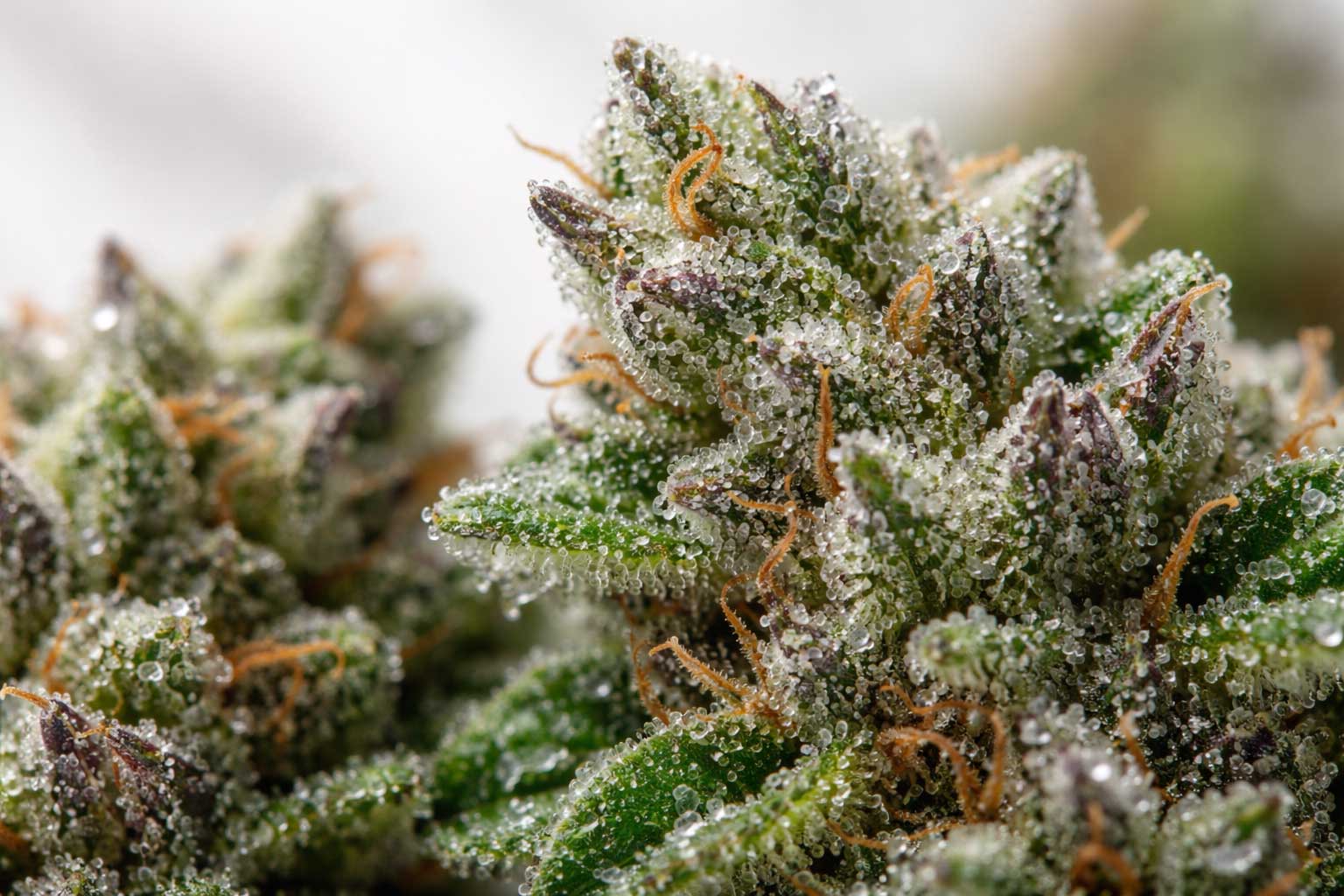
The primary drivers of cannabis flavor are aromatic compounds known as terpenes. These volatile molecules are produced in the plant’s resin glands (trichomes) — the same structures responsible for cannabinoid production.
More than 150 terpenes have been identified in cannabis, though only a smaller percentage typically dominate a strain’s aroma and flavor.
Common Terpenes and Their Flavor Signatures
- Myrcene – Earthy, musky, herbal
- Limonene – Citrus, lemon zest
- Beta-Caryophyllene – Peppery, spicy
- Alpha-Pinene – Pine, forest resin
- Linalool – Floral, lavender
- Terpinolene – Sweet, fruity, herbal
Each strain’s terpene concentration ratio acts like a flavor fingerprint. Even small changes in dominant terpene levels can dramatically shift the sensory experience.
Genetics: The Blueprint of Flavor
Cannabis breeding determines which terpene-producing genes are expressed. When two strains are crossed, breeders selectively stabilize offspring that show desirable flavor characteristics.
For example, candy-forward strains often inherit high levels of fruity terpenes from sweet-leaning parent genetics, while “gas” or “diesel” varieties tend to express volatile sulfur compounds in combination with specific terpene profiles.
This genetic stabilization process can take multiple generations before flavor consistency is achieved.
Growing Conditions Also Matter
Environmental factors significantly influence terpene production:
- Light intensity and spectrum
- Temperature fluctuations
- Humidity control
- Nutrient balance
- Soil vs. hydroponic systems
Stress during late flowering stages may increase terpene output, while excessive heat can degrade volatile compounds. Many commercial cultivators now optimize environmental controls specifically to preserve terpene integrity.
The Role of Drying and Curing
Post-harvest handling is critical. Terpenes are volatile and can evaporate if drying is rushed or temperatures are too high.
Proper curing — typically performed over several weeks in controlled humidity conditions — allows chlorophyll to break down and stabilizes aromatic compounds, resulting in smoother and more defined flavor.
Poor curing practices often lead to a “hay-like” taste due to chlorophyll retention.
Beyond Terpenes: Other Flavor Compounds
While terpenes are the primary flavor contributors, they are not the only compounds involved.
- Flavonoids contribute subtle sweetness or bitterness.
- Esters create fruity notes.
- Volatile sulfur compounds (VSCs) produce pungent, fuel-like aromas.
Recent laboratory analyses have shown that some high-intensity “gas” cultivars owe their sharp scent to thiol compounds, similar to those found in garlic and certain fermented products.
Why Flavor Perception Differs Between Individuals
Human olfactory receptors vary from person to person. Genetic differences, scent memory, and sensitivity to specific compounds all influence how flavor is interpreted.
This explains why one consumer may describe a strain as “blueberry candy,” while another detects “grape citrus.”
The Bottom Line
Cannabis flavor is the result of a multi-layered interaction between:
- Terpene composition
- Genetic lineage
- Cultivation environment
- Post-harvest curing methods
- Minor aromatic compounds
As laboratory testing continues to improve and breeding techniques advance, flavor profiles are becoming more predictable and scientifically measurable than ever before.
Understanding these mechanisms helps cultivators refine production and allows consumers to make more informed choices based on chemistry rather than marketing claims.