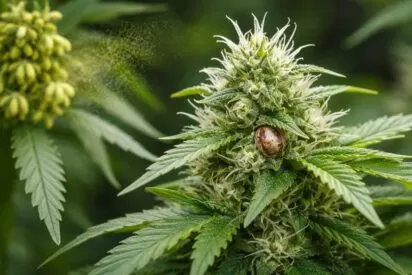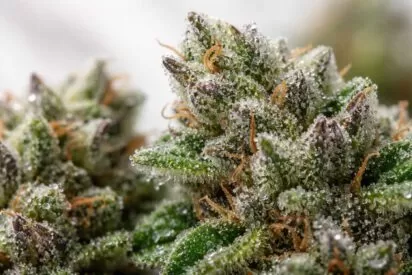




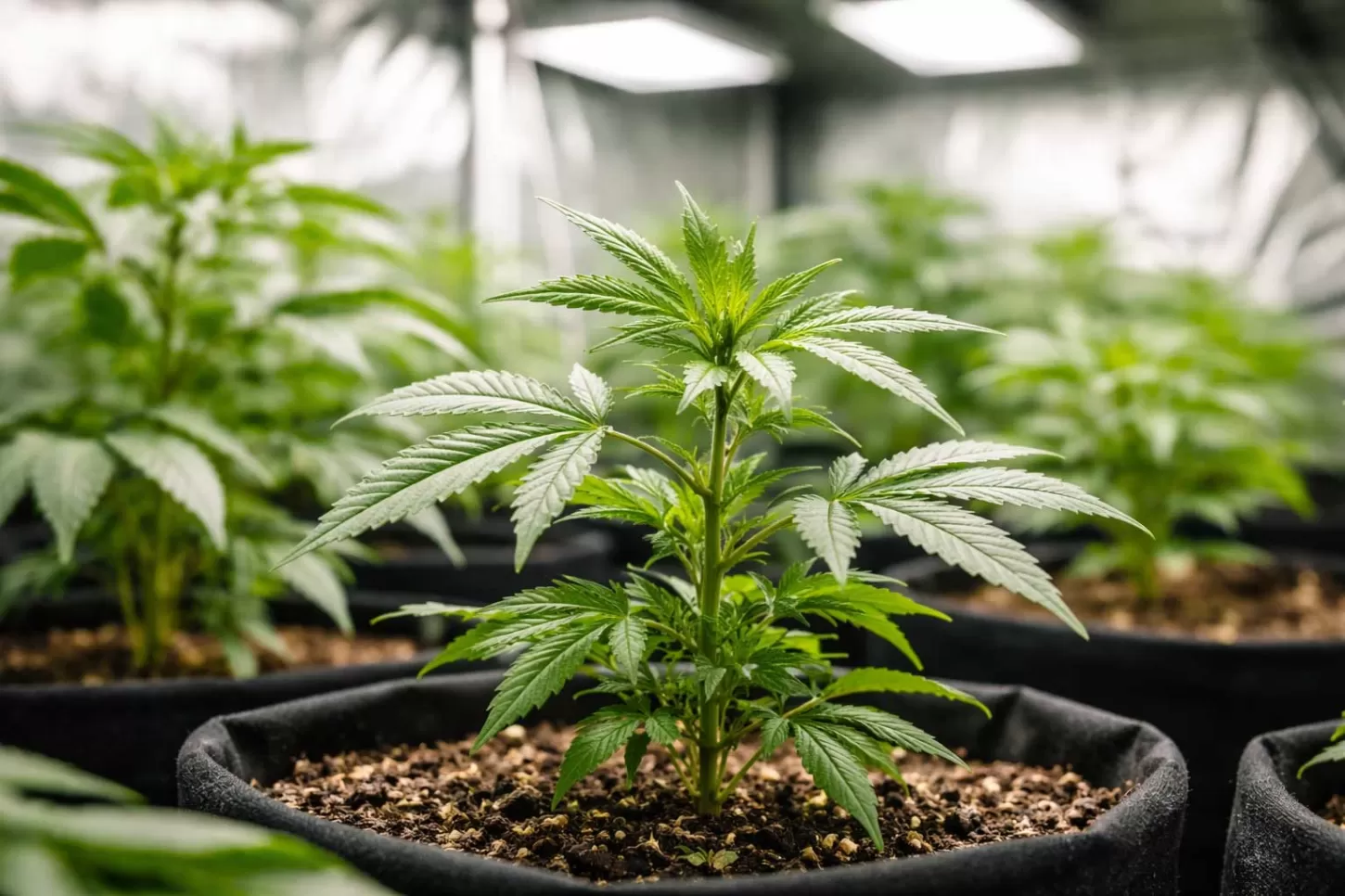
Growing cannabis at home in Colorado continues to interest adults who want more control over seed selection, plant development, and long-term cultivation decisions. But anyone starting with regular cannabis seeds should understand that this path involves more than simply buying seeds and finding space for them. In Colorado, the smarter starting point is the legal and practical framework that shapes what home growers can and cannot do.
Colorado allows adults 21 and older to grow a limited number of marijuana plants at home, but the grow must remain within state limits and in an enclosed, locked space, as outlined in Colorado’s official Home grow laws guidance.
Regular cannabis seeds differ from feminized seeds because they can produce both male and female plants. That distinction matters in a state where personal cultivation is allowed, but still governed by clear limits on plant counts, flowering stages, and secure grow spaces. For readers trying to understand how to grow regular cannabis seeds in Colorado, the real issue is not just the grow itself—it is how to plan responsibly from the beginning.
Start with Colorado’s home-grow rules
Under current guidance, adults may generally grow up to six plants per person, with no more than three being mature, flowering plants at one time. Residential properties are typically capped at 12 plants total for recreational grows. These limits apply regardless of seed type, which is why early planning is essential.
Home cultivation must take place in a private, enclosed, and locked space, and plants cannot be visible from public areas. In addition, local governments may impose stricter limits, meaning growers should always verify city or county rules before starting.
Why regular seeds require more planning
Regular seeds appeal to growers who want a more traditional seed option or who are interested in genetics and plant selection. However, they introduce more uncertainty than feminized seeds. Because they can produce both male and female plants, they can complicate plant-count planning in a state where limits apply from the earliest stages of growth.
This means growers must think ahead about how many plants they can legally maintain and how their space will be managed over time. In practice, choosing regular seeds is not just a preference—it is also a planning decision.
The grow space matters as much as the seeds
Many beginner articles focus first on equipment or setup tips, but in Colorado, the more important issue is whether the grow space meets legal requirements. A compliant grow area must be secure, enclosed, and not accessible to the public.
For renters, additional restrictions may apply. Lease agreements or landlord policies can prohibit cannabis cultivation even when state law allows it. This makes it essential to confirm both legal and property requirements before starting.
Common mistakes new growers overlook
Most early mistakes happen before the grow is fully underway. Some people underestimate how quickly regular seeds can affect household plant counts. Others assume that a casual indoor setup automatically meets Colorado’s enclosed-and-locked requirement.
Common issues include:
- Starting too many seeds at once and exceeding plant limits
- Failing to properly secure the grow area
- Allowing plants to be visible from outside the property
- Not accounting for the male/female variability of regular seeds
- Ignoring local or lease-based restrictions
Avoiding these mistakes comes down to preparation and understanding how Colorado’s rules apply in real-world situations.
Why this topic remains important
Search interest in home cannabis cultivation remains steady because the topic sits at the intersection of personal use, cannabis policy, and consumer decision-making. Readers are not only asking how to grow—they are also asking what is allowed, what seed types change, and what they should consider before starting.
This shift in intent is why stronger, compliance-focused content continues to perform better than outdated or overly simplified guides.
Bottom line
How to grow regular cannabis seeds in Colorado starts with understanding the legal framework, plant-count limits, and the practical realities of using regular seeds. While the state allows limited home cultivation, success depends on staying within legal boundaries and planning carefully from the beginning.
For anyone considering regular seeds, the best approach is to focus on compliance, secure space, and informed decision-making. In Colorado, those factors matter just as much as the growing process itself.