



Sleep problems are among the most common and frustrating symptoms people face after stopping regular cannabis use. Health agencies and clinical research have long noted that withdrawal can include sleep disturbance, irritability, restlessness, and vivid dreams, especially in the first several days after quitting.
For many people, insomnia becomes the symptom that tests recovery the most. A bad night can heighten stress, worsen cravings, and make it harder to stick with the decision to stop. That is why experts generally recommend treating cannabis withdrawal insomnia as a short-term recovery issue with a practical sleep plan, not as a reason to panic.
Why insomnia happens after quitting cannabis
Cannabis can affect the body’s sleep patterns, especially with regular use over time. When that use suddenly stops, the brain and body must adjust, and sleep is often one of the first systems to feel disrupted. Research supported by the National Institute on Drug Abuse has identified sleep problems as a recognized feature of cannabis withdrawal.
People often report trouble falling asleep, waking during the night, getting less total sleep, or having unusually vivid dreams. Even when the bedroom is quiet and the person is tired, sleep can feel lighter, shorter, and less refreshing during the early withdrawal period.
What the timeline usually looks like
Clinical reviews have found that cannabis withdrawal symptoms commonly begin within 24 to 48 hours after stopping, often peak during the first week, and can last for several weeks in some people. Sleep disturbance is one of the most frequently reported symptoms during that stretch.
That pattern matters because it helps explain why the first few nights can feel especially difficult. Insomnia during withdrawal does not always mean a long-term sleep disorder is developing. In many cases, it reflects a temporary rebound phase while the body readjusts.
How to manage insomnia during cannabis withdrawal
Stick to one wake-up time every day
A consistent wake-up time is one of the most effective tools for resetting sleep. Federal sleep guidance recommends getting up at roughly the same time every day, including after a poor night, because a stable schedule helps regulate the body clock more effectively than sleeping in after insomnia.
Do not stay in bed awake for long stretches
If you have been lying awake for a while, get out of bed and do something quiet in dim light until you feel sleepy again. This approach is widely used in insomnia care because it helps the brain reconnect the bed with sleep rather than with frustration, stress, or clock-watching.
Avoid caffeine, nicotine, and alcohol near bedtime
Sleep guidance from U.S. health agencies consistently warns that caffeine, nicotine, and alcohol can make sleep worse. During cannabis withdrawal, these substances can be especially unhelpful because they may intensify nighttime restlessness, delay sleep onset, or fragment sleep after you finally drift off.
Make the bedroom boring, dark, and cool
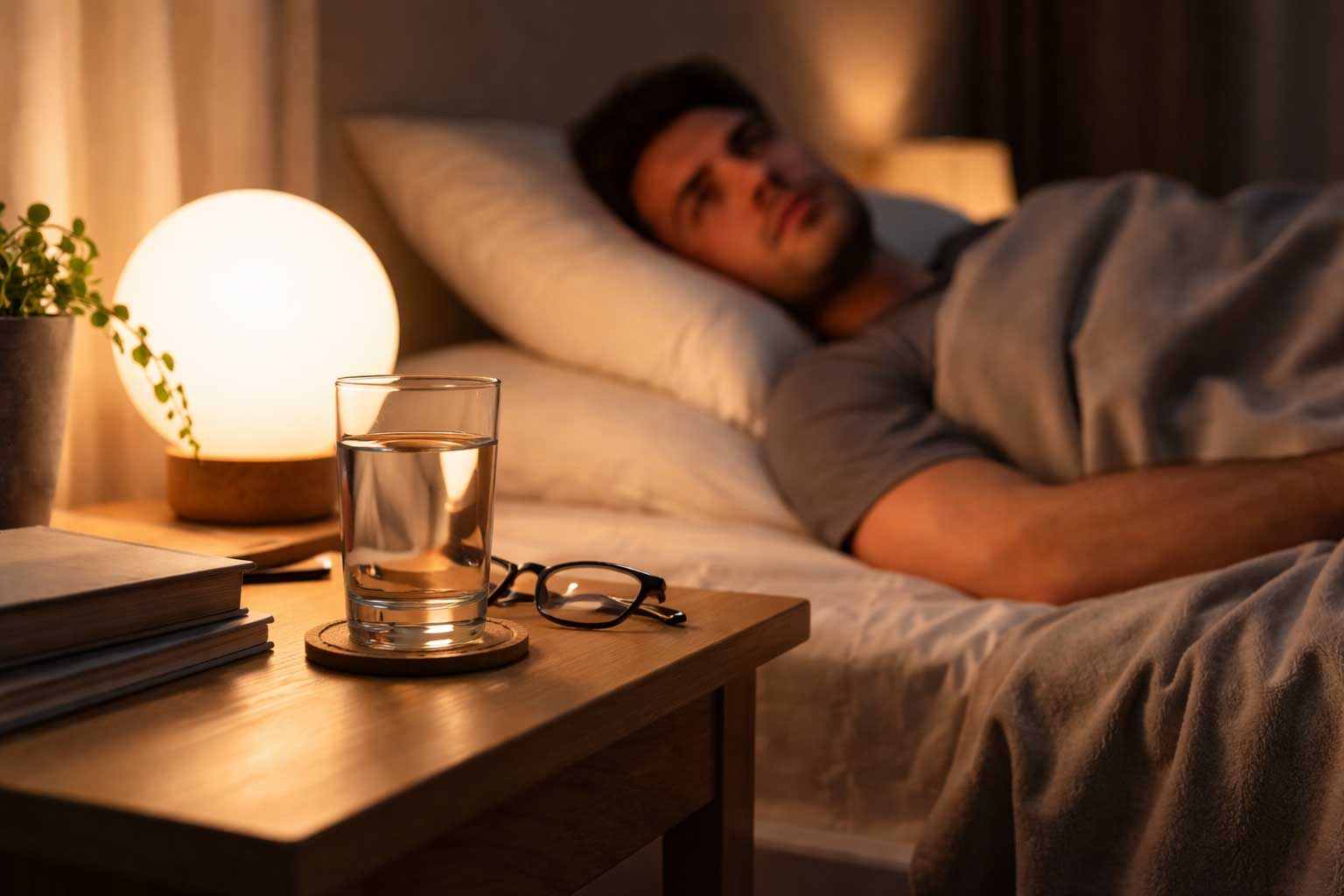
During withdrawal, stimulation can work against sleep. A darker room, cooler temperature, and a predictable bedtime routine can reduce the number of things keeping the brain activated. People who stop scrolling, dim the lights, and repeat the same wind-down pattern each night often give themselves a better chance of falling asleep naturally.
Get morning light as early as possible
Light is one of the strongest signals controlling the sleep-wake cycle. Getting outside or into bright light soon after waking can help anchor the body clock and improve the odds of feeling sleepy at the right time later that night.
Skip long daytime naps
After a rough night, sleeping during the day can feel necessary. But long naps can reduce sleep pressure at night and make the next evening harder. If daytime sleep happens at all, it should be limited and not become a replacement for rebuilding nighttime sleep.
Track your sleep for one week
A simple sleep diary can help reveal patterns that are easy to miss in the moment. Public health guidance suggests recording bedtime, night wakings, wake-up time, naps, exercise, caffeine, alcohol, and medications. That record can help identify what is improving, what is not, and when it may be time to seek more support.
What can make withdrawal insomnia worse
People often make insomnia worse by chasing sleep too aggressively. Going to bed too early, checking the time repeatedly, sleeping late after a bad night, or using alcohol as a sleep shortcut can all prolong the cycle. Cannabis withdrawal already makes sleep feel unstable, so adding irregular habits can make the adjustment take longer.
Stress is another major factor. People who are also dealing with anxiety, mood symptoms, work pressure, or relationship strain may feel more alert at night even when they are exhausted. In those cases, reducing stimulation before bed and keeping a calm, repeatable evening routine becomes even more important.
When to seek medical help
Cannabis withdrawal is often uncomfortable but not usually dangerous on its own. Still, insomnia deserves attention if it becomes severe, lasts longer than expected, or starts affecting mental health and safety. Medical support may be important if a person goes several nights with almost no sleep, feels unable to function, or notices worsening depression, panic, or relapse risk.
People should seek urgent help right away if sleep loss is accompanied by suicidal thoughts, a mental health crisis, or a sense that they may harm themselves or someone else. In the United States, immediate crisis support is available through 988, and treatment referral help is available through SAMHSA’s National Helpline at 1-800-662-HELP.
A practical first-week approach
For many people, the goal is not perfect sleep right away. The better goal is to make each night a little easier to manage while the withdrawal phase passes. That usually means waking at the same time every morning, getting daylight early, avoiding late stimulants, limiting naps, and leaving the bed when sleep is not happening.
Improvement is often gradual rather than dramatic. One better night may be followed by another rough one. That up-and-down pattern can still be part of recovery. What matters most is staying consistent long enough for the body’s sleep rhythm to settle.
Bottom line
Managing insomnia during cannabis withdrawal is usually about patience, structure, and realistic expectations. Sleep problems are common after quitting, especially in the first week, but they often improve with time and better sleep habits. A fixed schedule, fewer nighttime triggers, and early support when symptoms become overwhelming can make the withdrawal period more manageable.
Editorial note: This article is for educational purposes only and is not a substitute for medical advice, diagnosis, or treatment.
Frequently Asked Questions
How long does insomnia last during cannabis withdrawal?
It often begins within one to two days after stopping cannabis, tends to be worst during the first week, and may last for several weeks in some people.
Are vivid dreams normal after quitting cannabis?
Yes. Many people report unusually vivid dreams during early cannabis withdrawal as sleep patterns readjust.
Should alcohol be used to fall asleep during withdrawal?
No. Alcohol may make a person drowsy at first, but it can disrupt sleep quality and make insomnia patterns worse.
When should someone get professional help?
Help is important if insomnia becomes severe, lasts too long, raises relapse risk, or is accompanied by worsening anxiety, depression, or safety concerns.