



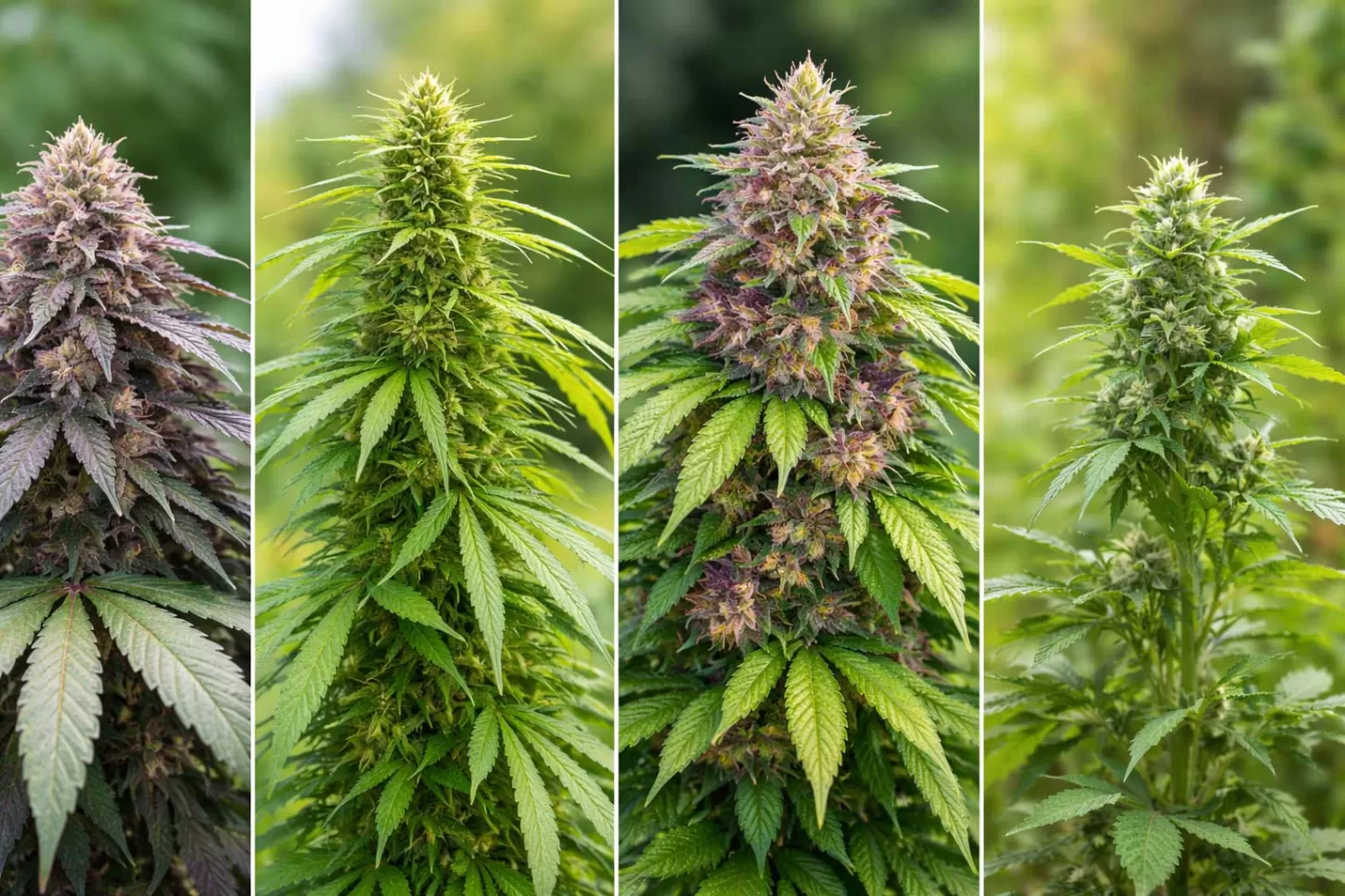
Cannabis is often described using four main strain categories: indica, sativa, hybrid and ruderalis. These labels have long been used by growers, retailers and consumers to describe how cannabis plants grow and the kinds of effects they are commonly associated with.
But while those categories remain widely recognized, the modern cannabis market is far more complex than a simple indica-versus-sativa split. Most products sold today are hybrids, and many experts now place greater emphasis on cannabinoids, terpene profiles and cultivation methods when evaluating how a strain may differ from another.
That has made strain education more important for both consumers and growers, especially as cannabis products continue to expand in legal and regulated markets.
Why cannabis strains are divided into categories
Strain categories help organize a plant family that now includes thousands of named varieties. In practical terms, these labels give people a basic way to understand plant structure, breeding background and reported use patterns.
For beginners, the terms indica, sativa and hybrid are often the first framework used to compare products. For growers, they can also provide general clues about plant size, flowering time and environmental preferences. Still, those labels are broad and do not always capture the full chemical or botanical profile of a modern strain.
Indica strains
Indica strains are typically associated with shorter, bushier plants, broader leaves and denser flowers. They are often discussed in consumer settings as being linked to more relaxing or body-focused effects, though responses can vary from person to person and product to product.
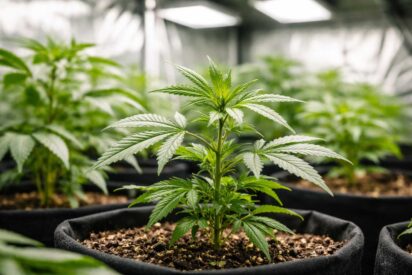
In cultivation, indica-dominant plants are often considered well-suited for indoor growing because of their compact structure. Their shorter height can make them easier to manage in limited spaces, and some are known for relatively efficient flowering cycles.
Popular examples often associated with the indica category include Northern Lights, Granddaddy Purple and Bubba Kush.
Sativa strains
Sativa strains are generally linked to taller plants, narrower leaves and a more elongated growth pattern. In consumer discussions, they are often described as being associated with more uplifting, cerebral or daytime-oriented effects, although the actual experience depends on a strain’s chemistry and the individual using it.
From a grower’s perspective, sativa-leaning plants may require more vertical space and, in some cases, longer flowering periods. Their flower structure can also appear lighter or airier compared with some classic indica varieties.
Examples commonly placed in the sativa category include Jack Herer, Durban Poison and Sour Diesel.
Hybrid strains
Hybrid strains are now the most common type of cannabis found in many markets. A hybrid combines genetics from multiple cannabis lineages and may be bred to emphasize traits such as potency, aroma, yield, flowering speed or a more balanced effect profile.
Some hybrids are sold as indica-dominant, others as sativa-dominant, and some are marketed as balanced. Because hybrids vary so widely, they better reflect the direction of modern cannabis breeding than older strain categories alone.
Well-known hybrids include Blue Dream, Gelato and Wedding Cake, though the exact characteristics of a hybrid may still differ by breeder, phenotype and growing conditions.
Ruderalis strains
Ruderalis is the least discussed of the main cannabis categories, but it remains important in breeding. It is typically smaller and hardier than indica or sativa plants and is best known for its ability to flower automatically based on age instead of changes in light cycle.
That trait has made ruderalis especially valuable in the development of autoflowering cannabis strains. These varieties are often favored by growers seeking faster harvest timelines or simpler cultivation schedules.
On its own, ruderalis is not usually as commercially prominent as indica, sativa or hybrid flower. Its influence is most visible through the autoflowering genetics used in modern seed lines.
Why the labels do not tell the whole story
Although strain labels remain useful, they are no longer seen by many in the industry as a complete guide to a product’s effects or quality. Two strains labeled as hybrids, for example, may feel very different because their cannabinoid levels, terpene makeup and cultivation methods are not the same.
THC and CBD levels are often used to understand potency and balance, while terpenes such as myrcene, limonene, caryophyllene and pinene are commonly discussed in relation to aroma and overall character.
For that reason, many consumers now look beyond the strain label and pay closer attention to lab results, terpene content and the specific breeder or producer behind the product.
How growers and consumers use strain information today
For growers, strain type can help signal likely plant behavior, including height, climate preference, resistance patterns and flowering time. That makes classification useful at the planning stage, especially when choosing genetics for indoor, greenhouse or outdoor cultivation.
For consumers, the labels can still offer a starting point, but many now choose strains based on more detailed goals such as flavor profile, cannabinoid ratio, daytime versus evening use, or interest in specific terpene combinations.
As cannabis education expands, strain categories are increasingly being used as part of a broader conversation rather than the final word on how a product should be understood.
What this means for beginners
For someone new to cannabis, strain terminology can seem simple at first and confusing soon after. Indica, sativa and hybrid remain helpful starting points, but they work best when paired with more detailed information about the product itself.
That means reading labels carefully, checking cannabinoid percentages when available, understanding terpene descriptions and recognizing that the same strain name may vary depending on breeder or supplier.
In other words, strain names matter, but context matters more.
Bottom line
The different strains of cannabis are most commonly grouped into indica, sativa, hybrid and ruderalis. These categories help explain general plant traits and commonly reported differences in use and cultivation.
However, modern cannabis is shaped by extensive crossbreeding, which means the most accurate way to understand a strain often includes looking at its cannabinoids, terpenes and growing characteristics in addition to its label.
For both consumers and growers, the strongest approach is to treat strain categories as a foundation, not the full story.