




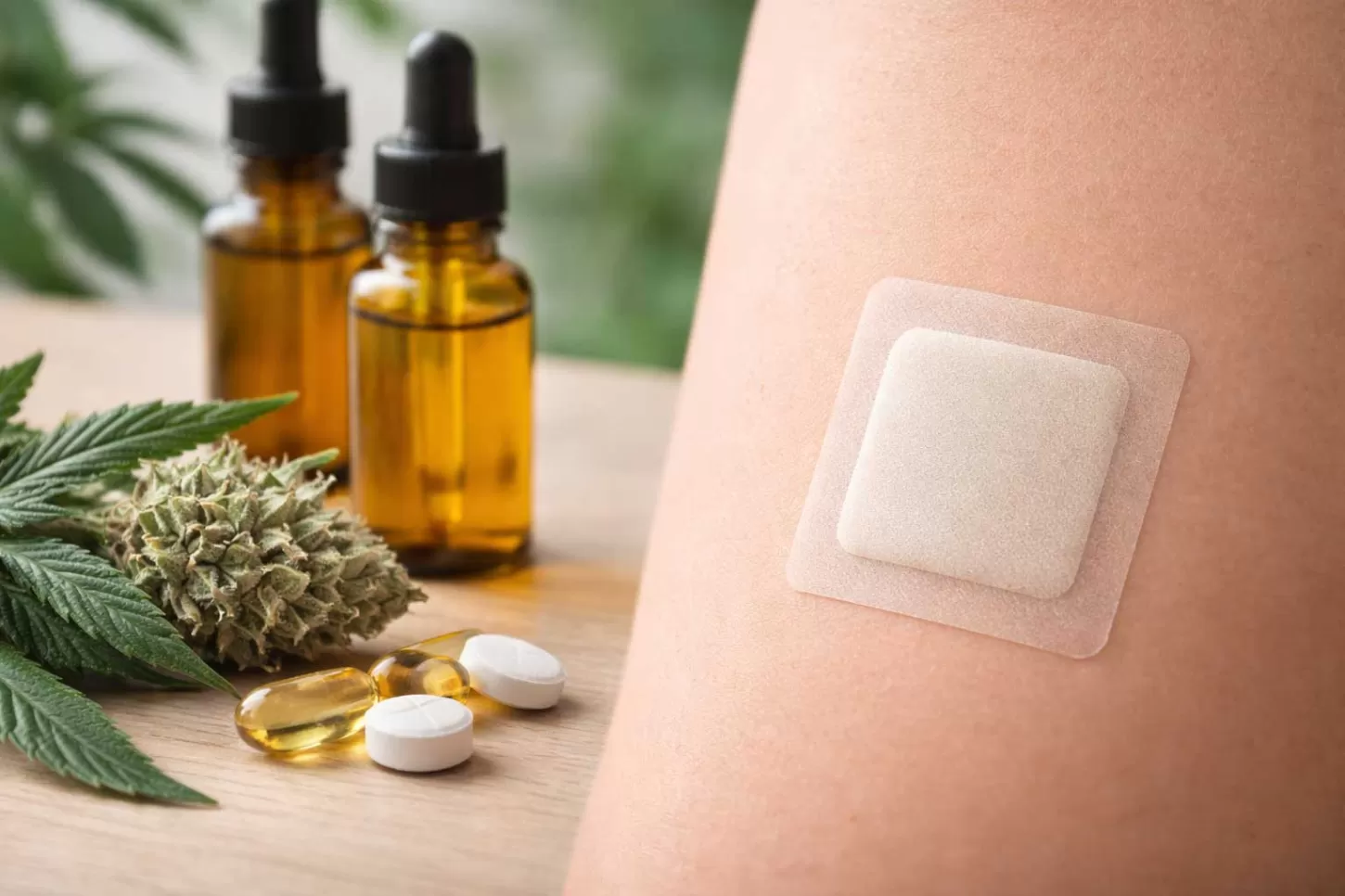
Cannabis patches, also known as transdermal cannabis patches, are designed to deliver cannabinoids through the skin and into the bloodstream. Unlike smoking or edibles, patches offer slow, steady absorption over an extended period.
This article explains which types of cannabis are best suited for patches, how cannabinoid selection matters, and why formulation is more important than strain names.
What Is a Cannabis Patch?
A cannabis patch is a transdermal delivery system that releases cannabinoids through the skin. These patches are commonly used for long-lasting effects, consistent dosing, and avoiding inhalation or digestion.
Cannabis patches are often formulated with specific cannabinoids rather than whole flower, making cannabinoid profile more important than traditional strain classification.
Is There a “Best” Cannabis Strain for Patches?
There is no single cannabis strain that is universally considered best for patches. Instead, the effectiveness of a cannabis patch depends on the cannabinoid content extracted from the plant and how it is formulated for transdermal absorption.
Best Cannabinoids for Cannabis Patches
THC-Dominant Cannabis
THC-based patches are commonly used for pain management and muscle relaxation. When delivered transdermally, THC may produce therapeutic effects without strong psychoactive sensations because it bypasses the digestive system.
CBD-Dominant Cannabis
CBD is one of the most popular cannabinoids for patches. CBD-based patches are often used for inflammation, localized discomfort, and general wellness without intoxication.
Balanced THC:CBD Profiles
Cannabis extracts with a balanced ratio of THC and CBD are frequently used in patches designed for chronic pain or long-duration relief. The combination may offer synergistic effects while maintaining steady absorption.
Why Indica vs Sativa Matters Less for Patches
Traditional labels such as indica or sativa are less relevant for cannabis patches. Transdermal delivery focuses on cannabinoids and penetration enhancers rather than terpene-driven effects associated with inhalation.
Most patches use refined extracts where terpene influence is minimal compared to smoking or vaping.
Formulation Factors That Matter Most
- Cannabinoid concentration and purity
- Use of skin penetration enhancers
- Patch design and release rate
- Intended duration of use
Medical and Legal Considerations
Cannabis patches are regulated differently depending on location. Some regions allow CBD-only patches, while others permit THC-containing transdermal products for medical use. Users should always check local laws and consult healthcare professionals when appropriate.
Final Thoughts
The best cannabis for a patch is not defined by strain name but by cannabinoid composition and formulation quality. CBD-dominant, THC-dominant, and balanced extracts can all be effective depending on the intended use. Understanding cannabinoid profiles is key to choosing the right cannabis patch.



One Response
Whats up are using Wordpress for your site platform? I’m new to the blog world but I’m trying to get started and set up my own. Do you require any html coding knowledge to make your own blog? Any help would be greatly appreciated!